


Call Us Now
Jannie Ye: +86 17728636936
Jenny: +86 18127522581
Miriam: +86 15018897468

Views: 0 Author: Site Editor Publish Time: 2025-12-31 Origin: Site
Understanding the final drive ratio is crucial for any vehicle owner, mechanic, or enthusiast. This key element of the drivetrain determines how much torque is transmitted to the wheels and directly impacts a vehicle’s performance. The final drive ratio influences acceleration, speed, and fuel efficiency, and it’s essential to know how different ratios affect the performance of your vehicle. In this article, we’ll break down the concept of final ratio drives and how to choose the right one for your needs.
The final drive is the last component in a vehicle’s drivetrain, typically located in the rear axle or transaxle. It plays a crucial role in reducing the rotational speed of the engine and increasing the torque delivered to the wheels, enabling the vehicle to move efficiently. The final drive system ensures that the vehicle operates smoothly at various speeds and loads. Essentially, the final drive works to optimize power transfer from the engine to the wheels.
The final drive system is made up of two main components: the pinion gear and the ring gear. These gears work in tandem to achieve gear reduction, which allows the engine’s high rotational speed to be transformed into more usable torque at the wheels. The final drive ratio is determined by the number of teeth on the ring gear relative to the number of teeth on the pinion gear. A higher ratio means more torque, while a lower ratio increases the vehicle's top speed and efficiency.
Component | Function |
Pinion Gear | Connects the drive shaft to the ring gear, transferring rotational power. |
Ring Gear | Works with the pinion gear to reduce rotational speed and increase torque. |
Final Drive Ratio | The ratio of the number of teeth on the ring gear to the pinion gear. |
The final drive ratio directly affects the vehicle’s acceleration, top speed, and fuel efficiency. A higher ratio (e.g., 4.10:1) provides greater torque and better acceleration, especially at lower speeds, but this comes at the cost of top speed and fuel efficiency. In contrast, a lower ratio (e.g., 3.08:1) offers higher top speeds and better fuel economy while sacrificing
Final Drive Ratio | Torque Output | Top Speed | Fuel Efficiency |
3.08:1 | Lower torque | Higher | Better |
4.10:1 | Higher torque | Lower | Less efficient |
A higher final drive ratio (e.g., 4.10:1) increases the engine’s torque, improving acceleration and performance at low speeds. This is especially useful in towing or off-road driving, where more torque is required to move the vehicle under challenging conditions. However, the trade-off with higher ratios is that they reduce the vehicle’s top speed and may lower fuel efficiency.
On the other hand, a lower final drive ratio (e.g., 3.08:1) reduces the engine’s torque but increases the vehicle’s top speed. This ratio is ideal for highway driving or long-distance travel, where fuel efficiency and speed are more important than rapid acceleration. Vehicles with lower final drive ratios maintain lower engine RPMs at higher speeds, improving fuel economy.
Vehicles designed for quick acceleration, such as drag racing cars or performance vehicles, typically use a higher final drive ratio. Higher ratios (e.g., 4.10:1) provide the torque needed to maximize acceleration, making them ideal for tasks that require quick bursts of speed. However, this comes at the cost of reduced top speed and lower fuel efficiency.
For vehicles designed for long-distance travel, a lower final drive ratio (e.g., 3.08:1) works best. Vehicles focused on fuel efficiency benefit from a lower ratio as it results in lower engine RPMs at highway speeds. This improves both fuel economy and stability at higher speeds, which is particularly important for highway driving.
In front-wheel-drive vehicles, the final drive is typically integrated into the transaxle—a combined unit of the transmission and final reduction gears. This system is designed to reduce the rotational speed from the engine and increase the torque delivered to the front wheels. The final drive ratio in front-wheel-drive vehicles impacts both acceleration and fuel efficiency. A higher ratio increases torque output, improving acceleration, but may lower top speed and fuel efficiency. Conversely, a lower ratio provides a more balanced approach between fuel efficiency and top speed.
In rear-wheel-drive vehicles, the final drive is housed in the rear axle and operates at a 90-degree angle to the propeller shaft, which transfers power from the engine to the rear wheels. This configuration is more common in performance vehicles, sports cars, and trucks, where torque delivery and drivability are key priorities. A rear-wheel-drive system allows for better weight distribution, which enhances vehicle handling and acceleration. The final drive ratio in these vehicles is often customized to match the vehicle’s intended use, balancing torque and top speed based on driving requirements.
Vehicle Type | Final Drive Setup | Impact on Performance | Best Use |
Front-Wheel Drive | Transaxle (combined transmission & final drive) | Affects torque and fuel efficiency | Economy and everyday driving |
Rear-Wheel Drive | Rear axle (90-degree angle) | Better acceleration, handling, and towing | Performance, trucks, sports cars |
In off-road vehicles, higher final drive ratios are commonly used to maximize torque output at lower speeds, which is essential for climbing steep hills, pulling heavy loads, and navigating difficult terrain. These ratios are crucial for providing the pulling power needed to handle rocky surfaces, deep mud, and steep inclines. A higher final drive ratio ensures that the vehicle maintains the necessary traction and stability during challenging off-road conditions. It also helps off-road vehicles maintain power at low speeds, giving them more control in rough terrain.
Final Drive Ratio | Torque Output | Speed | Ideal For |
4.10:1 | Higher | Lower | Off-roading, towing, hill climbing |
3.08:1 | Lower | Higher | Highway, smooth terrain |
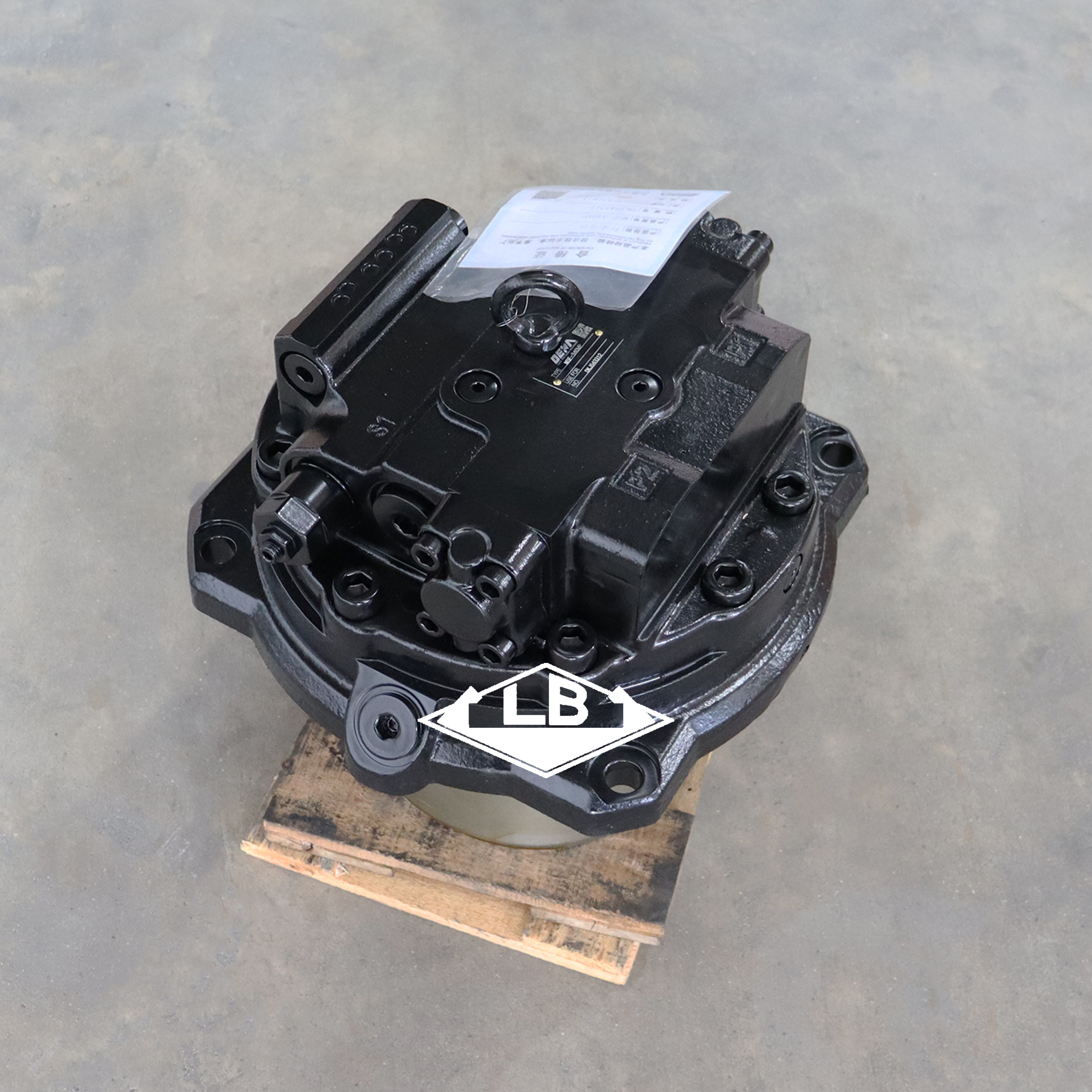
Vehicles equipped with lower final drive ratios (e.g., 3.08:1) generally achieve better fuel efficiency, as they allow the engine to operate at lower RPMs at highway speeds. This reduction in RPMs lowers the engine's fuel consumption, making lower ratios ideal for long-distance travel and vehicles designed for fuel economy. For highway driving, where top speed is more important than acceleration, lower ratios help improve mileage while maintaining optimal speed without putting undue strain on the engine.
Higher final drive ratios (e.g., 4.10:1) tend to reduce fuel economy, as the engine operates at higher RPMs to maintain speed. This results in more fuel consumption because the engine has to work harder to keep the vehicle moving. However, these ratios are more suited for vehicles that require higher torque, such as towing vehicles or performance cars, where acceleration and pulling power are more important than fuel efficiency. These vehicles benefit from higher torque at lower speeds, improving their performance in tasks that demand power rather than fuel economy.
The final drive ratio should be selected based on the primary use of the vehicle. Performance enthusiasts might opt for a higher ratio for better acceleration, while those focused on fuel economy may choose a lower ratio for highway driving.
To calculate the final drive ratio, divide the number of teeth on the ring gear by the number of teeth on the pinion gear. This gives the ratio that influences torque and speed.
Final Drive Ratio | Best Use | Torque | Top Speed |
3.08:1 | Highway, long-distance travel | Lower | Higher |
4.10:1 | Off-road, towing, heavy-duty use | Higher | Lower |
The final drive ratio plays a crucial role in determining a vehicle's performance. Whether it's for acceleration, fuel efficiency, or top speed, choosing the right final drive ratio is key to optimizing performance. Higher ratios increase torque and acceleration, while lower ratios improve fuel economy and high-speed driving.
For businesses seeking reliable final drive systems, Jiangmen Liba Machinery Co., Ltd. offers a wide range of high-quality components that enhance vehicle efficiency and performance. Their products ensure durability and reliable performance in various applications, meeting both commercial and DIY needs.
A: The final drive ratio refers to the gear ratio between the pinion and ring gear in a vehicle's drivetrain. It determines how much torque is sent to the wheels and affects performance, speed, and fuel efficiency.
A: The final drive ratio directly influences a vehicle’s acceleration, torque output, and top speed. A higher ratio boosts torque and acceleration, while a lower ratio improves fuel economy and top speed.
A: For street performance, a higher final drive ratio like 4.10:1 offers quicker acceleration, though at the cost of fuel efficiency and top speed.
A: Choose a final drive ratio based on your vehicle’s primary use. For towing or off-road driving, a higher ratio is better, while lower ratios are ideal for highway driving and fuel efficiency.
A: Yes, the final drive ratio impacts fuel economy. Lower ratios reduce engine RPMs, improving fuel efficiency at higher speeds, while higher ratios tend to use more fuel due to increased engine RPMs.
