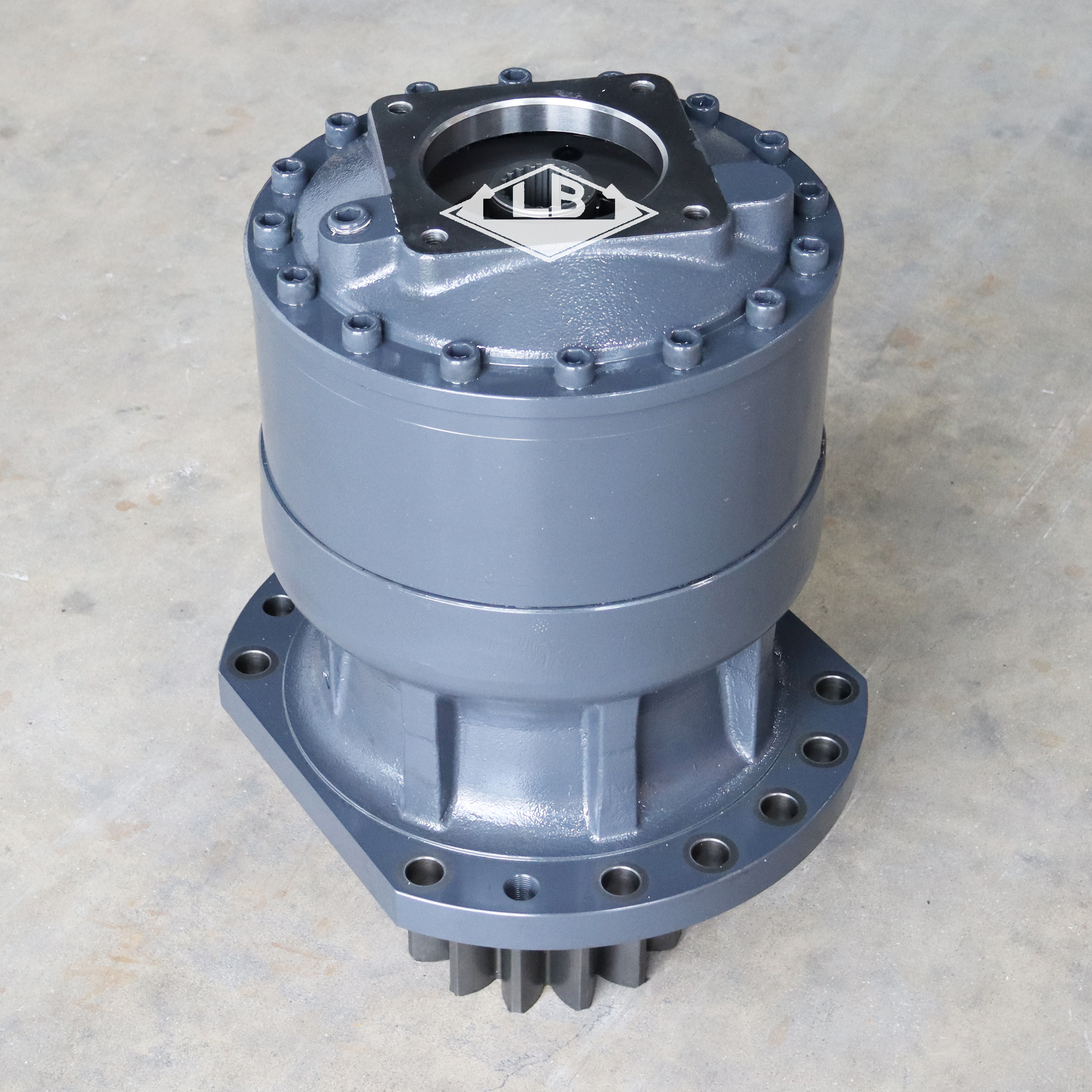
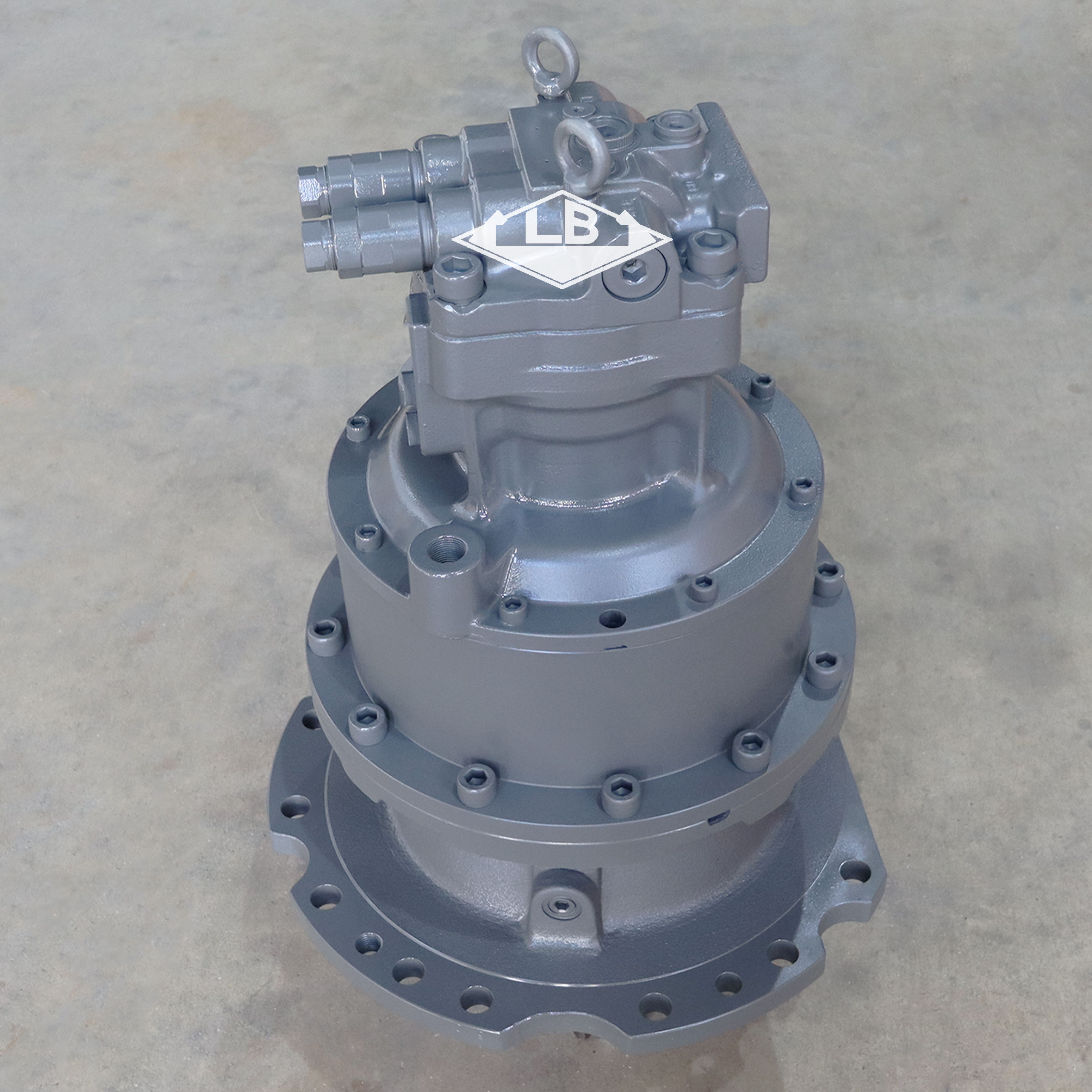
When it comes to heavy machinery, especially in applications such as construction equipment, mining machinery, or cranes, understanding the components that drive motion is essential. Two critical parts of the swing system are the swing motor and the swing gearbox. While they both serve the purpose of enabling the swinging motion of the machine, they play distinctly different roles in the system's operation.
When an excavator rotates smoothly and precisely on a job site, most operators focus on the boom, bucket, or hydraulic system. However, behind every controlled rotation is a critical component: the swing gearbox. In our experience working with excavator drivetrain components, the swing gearbox plays a decisive role in how efficiently and reliably the upper structure of the excavator rotates.
A swing gearbox is one of those components that often works quietly—until it doesn’t. When swing becomes noisy, jerky, weak under load, or starts leaking, the root cause is rarely “one simple part.” It’s usually a chain: oil condition, bearing wear, gear contact changes, seal fatigue, contamination, or mounting distortion. That’s why dismantling and inspection need to be done carefully. A rushed teardown can damage precision surfaces, mix parts that should stay matched, or hide the real failure pattern you’re trying to understand. And because a swing gearbox is heavy and often integrated tightly with the swing motor and upper structure, safety during dismantling matters just as much as mechanical skill.
A machine that suddenly produces grinding noise during rotation, develops noticeable backlash, or shows metal particles in oil is sending a clear warning signal.