


Call Us Now
Jannie Ye: +86 17728636936
Jenny: +86 18127522581
Miriam: +86 15018897468

Views: 0 Author: Site Editor Publish Time: 2026-01-02 Origin: Site
The final driveplays a critical role in a vehicle’s drivetrain, influencing how much torque is sent to the wheels. It directly impacts acceleration, speed, and fuel efficiency. In this article, we will explore the three essential functions of the final drive: torque transmission, speed reduction, and support and stability. Understanding these functions will help you optimize your vehicle’s performance and choose the right final drive ratio for your needs.
The final drive is the last gear component in a vehicle’s drivetrain system. It serves to reduce the rotational speed of the engine and increase the torque sent to the wheels. This critical process ensures the vehicle operates smoothly at different speeds and under varying loads. The final drive is essential in transferring power from the engine to the wheels efficiently, playing a crucial role in determining the vehicle’s overall performance.
The final drive system consists primarily of two components: the pinion gear and the ring gear. Together, these gears work to achieve gear reduction, meaning the engine’s rotational speed is reduced while the torque is increased. The final drive ratio is determined by the number of teeth on the ring gear relative to the number of teeth on the pinion gear. This ratio directly influences how much torque and speed are delivered to the wheels, affecting the vehicle's performance.
Component | Function |
Pinion Gear | Transfers rotational power from the engine to the ring gear. |
Ring Gear | Works with the pinion to reduce rotational speed and increase torque. |
Final Drive Ratio | The ratio between the number of teeth on the ring gear and the pinion gear. |
The final drive plays a crucial role in transmitting torque from the engine to the wheels. By reducing the rotational speed of the engine, the final drive increases the torque output, enabling the vehicle to generate more power at the wheels. This allows the vehicle to move effectively, especially under conditions where more torque is required, such as during towing or off-roading.
In performance vehicles and off-road vehicles, the final drive is responsible for ensuring that sufficient torque is delivered to the wheels for rapid acceleration or navigating steep inclines. For example, a higher final drive ratio increases torque output, making it easier for the vehicle to move at low speeds, climb hills, or haul heavy loads. This is especially important for vehicles that require enhanced performance in demanding conditions, like towing or off-road driving.
The final drive ratio is designed to reduce the rotational speed of the engine while simultaneously increasing the torque that’s delivered to the wheels. This balance ensures the vehicle operates efficiently by reducing engine RPMs at higher speeds. The reduction in RPMs helps improve fuel efficiency while ensuring that the vehicle has enough torque to maintain acceleration when necessary.
In commercial vehicles like trucks and buses, the final drive is optimized for fuel economy and top speed during highway driving. A lower final drive ratio (e.g., 3.08:1) allows these vehicles to maintain higher speeds at lower RPMs, thereby improving fuel efficiency. This makes them ideal for long-distance travel, where fuel economy and top speed are crucial considerations.
Final Drive Ratio | Torque Output | Top Speed | Fuel Efficiency |
3.08:1 | Lower | Higher | Better |
4.10:1 | Higher | Lower | Less efficient |
The final drive also contributes to vehicle stability by ensuring that power is delivered evenly to the wheels or tracks. In heavy-duty vehicles, such as construction machinery or off-road trucks, the final drive system plays a vital role in distributing the vehicle's weight evenly across the wheels. This ensures smoother operation and helps prevent uneven wear on the tires or tracks, especially when the vehicle is under heavy load or operating on uneven terrain.
In off-road vehicles or construction machinery, the final drive provides the necessary torque and power distribution to ensure proper traction and stability. This is essential for vehicles working in challenging environments, like muddy roads, rocky surfaces, or steep inclines. The final drive system ensures that the vehicle maintains control and stability, even under high-stress conditions.
In front-wheel-drive vehicles, the final drive ratio is often integrated into the transaxle system, combining the transmission and final drive into one unit. The ratio in these vehicles plays a crucial role in both fuel efficiency and acceleration. A lower final drive ratio can improve fuel economy at highway speeds by keeping engine RPMs lower, while a higher ratio can improve acceleration but may reduce top speed and fuel efficiency. These vehicles are typically compact cars or economy vehicles, where the focus is on balancing performance and efficiency. The final drive ratio ensures the right balance between quick starts and fuel-efficient cruising speeds.
Front-wheel-drive vehicles are ideal for city driving and daily commutes, as the final drive ratio impacts how the vehicle handles during short trips and stop-and-go driving. Adjusting the ratio for better fuel efficiency or quicker acceleration can make a noticeable difference in vehicle dynamics.
In rear-wheel-drive vehicles, the final drive is located in the rear axle, usually positioned at a 90-degree angle to the propeller shaft. This configuration is commonly used in performance cars, sports cars, and trucks. The final drive ratio in rear-wheel-drive systems is crucial for torque delivery and drivability, as it determines how power is transferred from the engine to the wheels. These vehicles often require higher torque output for quick acceleration and smoother handling, especially during high-speed maneuvers or towing.
Rear-wheel-drive vehicles, especially sports cars and trucks, often feature higher final drive ratios (e.g., 4.10:1), which offer a stronger torque output for better acceleration but at the cost of top speed and fuel efficiency. This setup is ideal for vehicles that need quick response and better performance on the road or during heavy-duty tasks.
For off-road vehicles, higher final drive ratios (e.g., 4.10:1) ensure better torque output at lower speeds, which is essential for climbing steep hills, towing, and navigating rough terrain. These higher ratios provide better traction and control in extreme off-road conditions.
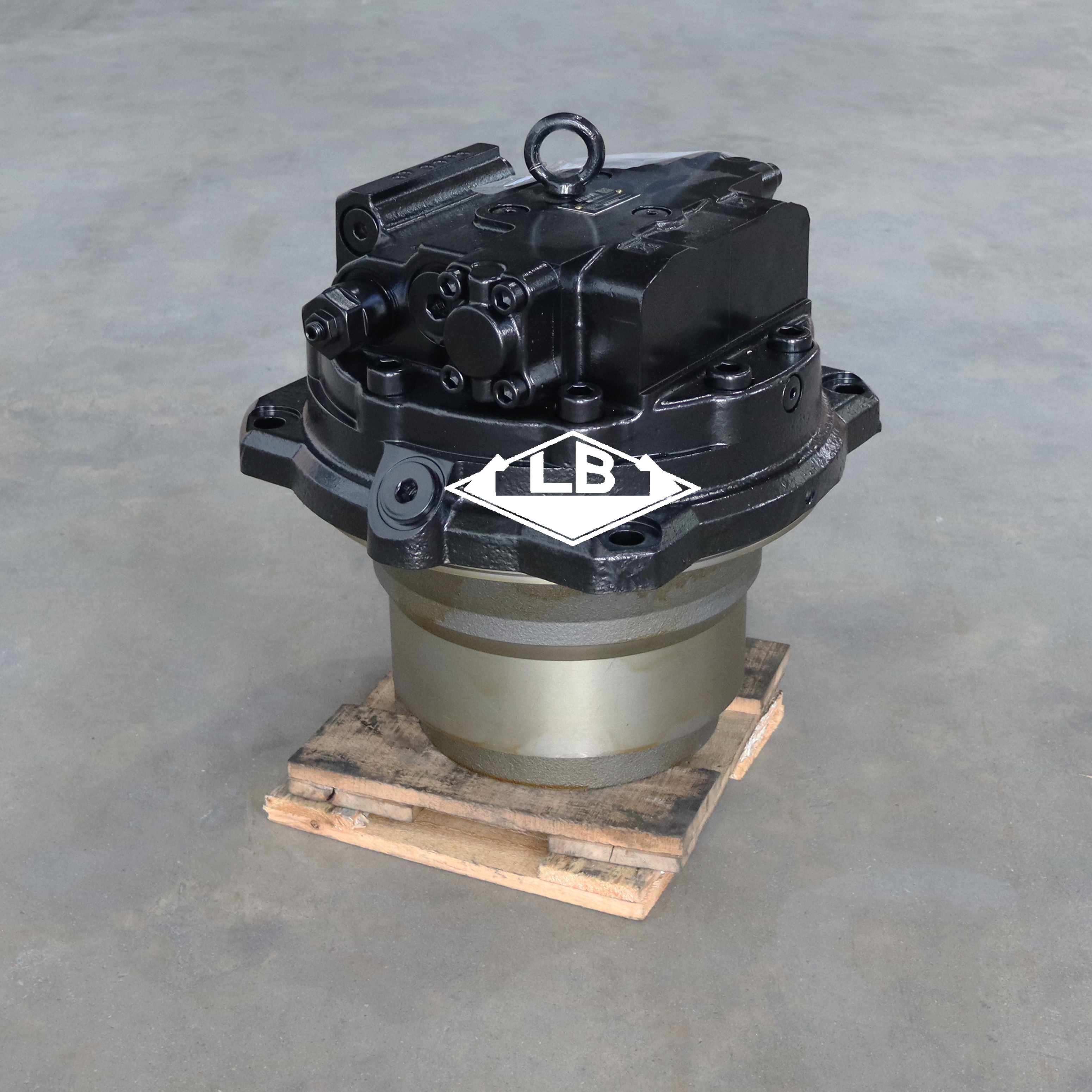
Vehicles equipped with lower final drive ratios (e.g., 3.08:1) tend to offer better fuel economy. This is because lower ratios allow the engine to operate at lower RPMs at highway speeds, leading to reduced fuel consumption. With fewer engine revolutions needed to maintain high speeds, these vehicles are ideal for long-distance travel and fuel-efficient vehicles. The lower RPMs mean the engine is not working as hard, making these ratios excellent for vehicles designed to prioritize fuel economy over acceleration or torque.
Lower final drive ratios (such as 3.08:1) are most commonly found in vehicles meant for long journeys, where top speed is important and fuel efficiency is prioritized. These vehicles achieve greater mileage, especially on highways or open roads, without needing to overwork the engine.
On the other hand, vehicles with higher final drive ratios (e.g., 4.10:1) typically experience a reduction in fuel economy. This is because the engine has to work harder to maintain speed at higher RPMs, increasing fuel consumption. While this results in more torque at lower speeds, it's more suited for applications requiring high acceleration or towing capacity, where the trade-off in fuel efficiency is acceptable.
Higher ratios are better suited for vehicles that demand higher torque for tasks such as towing, off-roading, or performance driving. These vehicles require more power at low speeds and can manage the higher fuel consumption due to the increased demand for torque and acceleration.
Final Drive Ratio | Fuel Efficiency | Torque | Top Speed |
3.08:1 | Better | Lower | Higher |
4.10:1 | Less efficient | Higher | Lower |
The final drive is a critical component that affects a vehicle's torque, speed, and fuel efficiency. Understanding the three primary functions—torque transmission, speed reduction, and support and stability—helps you make informed decisions when selecting the right final drive ratio.
For businesses seeking reliable final drive systems, Jiangmen Liba Machinery Co., Ltd. offers high-quality components designed to enhance vehicle efficiency and performance. Their products ensure durable performance across various commercial and DIY applications.
A: The final drive is the last gear assembly in a vehicle’s drivetrain. It reduces engine speed and increases torque to the wheels for efficient vehicle movement.
A: The final drive influences torque transmission, speed reduction, and stability, which affects acceleration, top speed, and fuel efficiency.
A: The final drive ratio determines how torque is delivered to the wheels, influencing vehicle acceleration, speed, and fuel economy.
A: Higher final drive ratios provide more torque for better acceleration, while lower ratios offer higher top speeds and better fuel efficiency.
A: The final drive system consists of the pinion gear, ring gear, and differential, which work together to reduce speed and increase torque.
A: The final drive ensures power is evenly distributed to the wheels or tracks, providing stability and smooth operation, especially in heavy-duty vehicles.
