




Call Us Now
Jannie Ye: +86 17728636936
Jenny: +86 18127522581
Miriam: +86 15018897468

Views: 0 Author: Site Editor Publish Time: 2026-11-06 Origin: Site
Unplanned downtime in heavy earthmoving operations directly erodes project margins. Component failure acts as the primary catalyst for schedule delays. Fleet managers and procurement officers face a fragmented supply chain when sourcing replacement components. You have to balance immediate availability against long-term reliability and perfect fitment. Relying on reactive repairs destroys maintenance budgets and leaves crews idle. This guide provides a technical evaluation framework for identifying, sourcing, and maintaining critical excavator parts. We cover everything from high-stress drivetrains to structural linkages. You will learn how to optimize fleet uptime, evaluate supplier capabilities, and ensure predictable maintenance expenditures without relying on guesswork.
Prioritizing proactive replacement of high-stress components—such as the final drive, swing mechanisms, and bearing bushings—prevents cascading mechanical failures.
Evaluating OEM versus aftermarket components requires analyzing material metallurgy, machining tolerances, and guaranteed fitment rather than just upfront pricing.
Effective procurement strategies rely on supplier vetting for inventory depth, technical support, and verifiable component lifespans across both tracked and wheeled excavator fleets.
Implementing strict fluid analysis, routine lubrication, and standardized installation protocols mitigates the highest risks associated with integrating new hydraulic and drivetrain parts.
Heavy equipment maintenance requires strict success criteria based on hard data. You must define clear uptime targets for your fleet and establish an acceptable mean time between failures (MTBF) for critical spares. Calculating your inventory holding costs carefully prevents tying up excess capital in warehouse shelves. However, lacking a critical replacement assembly stops production entirely. You must find the optimal balance between stocking heavy components and relying on rapid supplier fulfillment.
Scheduled component replacement costs significantly less than catastrophic in-field failures. A planned replacement happens in a controlled shop environment where you can schedule the labor during off-hours. A catastrophic failure usually happens in the mud, requiring expensive field service trucks and environmental containment. You pay idle crew wages while the machine sits dead. Expedited shipping for heavy iron destroys your maintenance budget. Proactive maintenance always yields a better financial outcome.
Maintenance Strategy | Direct Costs | Indirect Costs | Equipment Lifespan | Operational Risk |
|---|---|---|---|---|
Proactive Replacement | Predictable parts and standard shop labor rates | Minimal (scheduled downtime during off-shifts) | Extended significantly due to reduced collateral damage | Low |
Reactive Repair (Run-to-Failure) | High (expedited shipping, emergency field labor) | Severe (idle crews, project delays, penalty clauses) | Reduced due to cascading mechanical failures | High |
You must establish strict root cause analysis protocols in your shop. Never install a new part without understanding exactly why the old one failed. Determine if the part failed due to normal wear, operator abuse, or systemic issues. Investigate fluid contamination and check for missed lubrication intervals. Fixing the symptom without fixing the underlying cause guarantees a repeat failure within a few hundred hours.
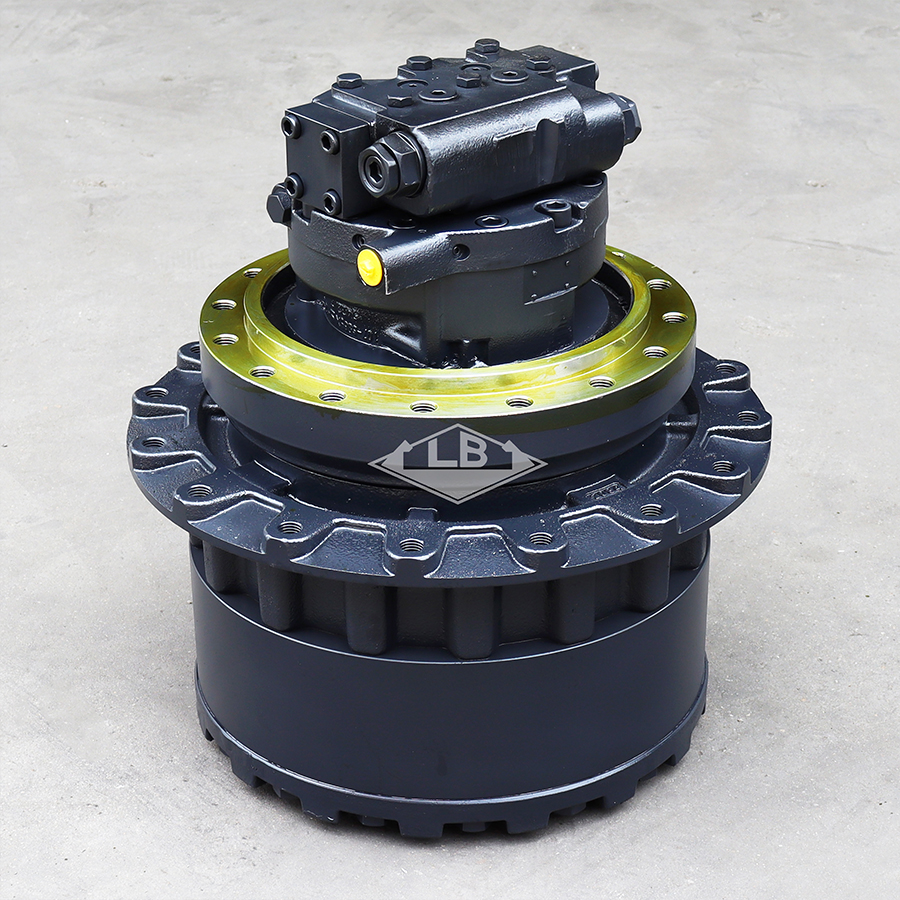
The excavator final drive translates hydraulic power into track movement. It operates in highly abrasive environments where mud, rocks, and sand constantly attack the duo-cone seals. It absorbs massive shock loads during heavy digging and tramming over uneven rock. You must evaluate planetary gear durability and surface hardening when sourcing replacements. Assess the integrity of the floating seals and verify the case drain filter requirements. If the case drain line clogs, internal pressure spikes and blows the main seal. Watch for gear oil contamination. Excessive noise, overheating, or track drifting indicates severe internal wear. Catching these signs early saves the core from total destruction.
The excavator travel gearbox houses the reduction gears for mobility. It remains highly vulnerable to torque spikes, especially when counter-rotating tracks in deep mud. Inadequate lubrication destroys the sun and planet gears quickly. Evaluate bearing load capacities and housing material strength before purchasing a replacement. Maintenance requires constant vigilance. Look for metal shavings in the magnetic plugs during routine services. Overheating and sluggish travel speeds warn of impending failure. You must check the gear oil levels frequently and use the correct viscosity for your operating climate.
Wheeled excavator drivetrain components face entirely different challenges. Pneumatic tires and heavy-duty axles handle mobile, on-road applications but suffer stress from uneven terrain. Puncture risks remain high on demolition and scrap sites. You must evaluate ply ratings for tires and check axle load capacities against your heaviest attachments. Monitor steering cylinder responsiveness and keep the axle pivot points heavily greased to prevent premature joint wear.
The excavator swing motor controls the rotation of the upper structure. It experiences continuous start and stop hydraulic pressure spikes. Every time the operator swings a loaded bucket and stops abruptly, the motor absorbs the kinetic energy. You must evaluate volumetric efficiency and check the cross-port relief valve responsiveness. High-quality shaft seals prevent catastrophic hydraulic leaks into the gearbox. Watch for a loss of swing torque or drifting when parked on an incline, which signals internal bypass. External hydraulic leaks demand immediate attention before the fluid level drops and damages the main pumps.
The excavator swing gearbox reduces motor speed to provide massive rotational torque. It remains highly prone to backlash wear because constant reversing grinds the gear teeth over time. Evaluate the pinion gear induction hardening processes and ensure ring gear compatibility. Jerky rotation indicates worn teeth or failing bearings. Grinding noises point to a collapsed bearing cage. Excessive play in the upper structure means the gearbox needs immediate attention. Do not ignore sloppy swing movement, as it makes precise grading impossible and endangers ground workers.
Sourcing excavator gearbox parts requires a strategic approach based on your shop's capabilities. You must evaluate the trade-offs between rebuilding and replacing. Purchasing individual replacement gears saves material costs but demands highly skilled labor. Dropping in a complete, pre-assembled gearbox unit saves massive labor hours and guarantees factory machining tolerances. Rebuilding a gearbox in a dusty field shop introduces severe contamination risks. Weigh your internal mechanical capabilities against the speed and reliability of a complete drop-in unit.
The excavator hydraulic parts act as the circulatory system of the machine. Main pumps, cylinders, main control valves, and pilot actuators do the heavy lifting. They remain highly sensitive to particulate contamination. A single grain of sand can score a spool valve and cause internal bypassing. Evaluate micron ratings for filtration and check spool valve tolerances. Verify seal kit temperature ratings for high-duty cycle applications. Watch for cycle time degradation. Cylinder drift and elevated hydraulic fluid temperatures indicate internal leaks. Keep the fluid clean and adhere strictly to ISO cleanliness codes.
Engine consumables, hoses, and belts generate power and transport fluid under extreme pressure. They suffer from thermal degradation and constant vibration. UV exposure causes dry rot on rubber hoses, while belts lose tension and slip over time. Evaluate burst pressure ratings for hydraulic hoses and never use underrated hoses on high-pressure implement circuits. Follow OEM-spec tensioning for serpentine and drive belts. Inspect hoses daily for chafing against the frame. Replace them before they burst and cause an environmental spill or a safety hazard.
Excavator bucket parts make direct contact with abrasive materials all day. Bucket teeth, side cutters, and wear plates dictate digging efficiency and fuel consumption. Dull teeth force the operator to push harder, burning more fuel and stressing the boom cylinders. Evaluate Brinell hardness ratings and choose the right metallurgy, like cast alloy steel. Select penetration profiles suited to specific project soils. Solid rock requires different teeth than sticky clay. Hardface the high-wear areas of the bucket shell to extend its operational life.
Attachment maintenance keeps your specialized tools running efficiently. Hydraulic breakers, grapples, and thumbs introduce unique hydraulic demands. They send severe vibration stresses straight into the stick and boom pins. Evaluate compatibility with auxiliary hydraulic flow rates. Too much flow destroys the attachment seals, while too little flow makes it sluggish and unproductive. Check the structural reinforcement of mounting brackets. Grease breaker tool points hourly with high-temp molybdenum grease to prevent galling.
Pins and bearing bushings serve as the critical pivot points connecting the boom, stick, and bucket. They require constant lubrication to prevent metal-on-metal friction under extreme loads. Evaluate induction hardening depths, as deep hardening extends the wear life significantly. Check the grease groove designs to ensure they distribute grease evenly across the entire pin surface. Watch for sloppy bucket movement. Clunking during operation indicates severe wear. Visible galling on pins means the grease film failed. Replace worn bushings before they wallow out the boom bosses, which requires expensive line boring to fix.
Perfect fitment and strict machining tolerances matter immensely when dealing with heavy equipment. Slight deviations in aftermarket manufacturing cause major problems during installation. They impact the fitment of high-pressure hydraulic components and cause premature seal failure. Poorly machined parts reduce reliability and longevity. OEM parts safeguard equipment performance because they guarantee the exact specifications required by the factory. However, premium aftermarket manufacturers now use advanced CNC machining to match or exceed these tolerances. You must verify the engineering standards of your supplier before committing to a purchase.
You must understand warranty and compliance implications before installing non-OEM parts. Using unapproved components can affect existing manufacturer warranties. Read your warranty paperwork carefully, as some manufacturers void coverage if aftermarket hydraulics cause a systemic failure. Consider lease return conditions. Leasing companies often require OEM parts for returns and will penalize you for unauthorized modifications. Think about overall machine resale value. Buyers prefer machines maintained with genuine or premium components. Document all maintenance to prove the quality of your replacement parts.
Mixed fleets require a highly scalable sourcing strategy. Utilizing high-tier aftermarket suppliers offers logistical advantages for companies running multiple brands. You can standardize parts procurement across your entire fleet. Sourcing CAT, Komatsu, and Deere parts from one reliable vendor simplifies purchasing. It reduces the number of supplier accounts you manage and streamlines your accounts payable process. Choose a supplier with a broad catalog across major brands and a proven track record of quality.
You must navigate the tiered aftermarket reality carefully. Distinguish between white-label economy parts and premium aftermarket components. Economy parts often use inferior steel and lack proper heat treatment, leading to rapid failure under load. Premium aftermarket parts are engineered to meet or exceed OEM specifications. They focus on durability, wear reduction, and exact fitment. Ask your supplier for metallurgical reports and demand proof of quality before installing an aftermarket final drive on a frontline production machine.
Inventory depth and lead times dictate your machine uptime. Evaluate a supplier's domestic stocking levels before an emergency happens. Critical assemblies like travel motors, main pumps, and axles must be available immediately. Waiting weeks for an overseas shipment causes unacceptable machine-down scenarios that wreck project schedules. Ask prospective suppliers about their fill rates and request a tour of their warehouse if possible. You need a partner who holds the inventory so you do not have to tie up your own capital.
Technical support and documentation separate good suppliers from great ones. Suppliers must provide detailed installation guides and exact torque specs for critical bolts. Request lubrication point diagrams and hydraulic schematics. Access to troubleshooting support is mandatory. When a newly installed swing motor acts up, you need a qualified engineer on the phone immediately. Do not buy complex hydraulic components from a supplier who cannot provide technical backing and diagnostic assistance.
You must balance conceptual trade-offs when evaluating lifecycle costs. Lower initial acquisition costs look great on a spreadsheet, and rebuilt or aftermarket parts save money upfront. However, you face the potential for reduced lifespan. Premature replacement increases your labor costs and causes a second round of unplanned downtime. Calculate the long-term value of the component. A part that costs twenty percent more but lasts twice as long provides superior value and keeps your fleet moving.
Installation errors destroy new components instantly. Improper torqueing warps housings and causes severe leaks. Misalignment destroys splines and bearings within the first hour of operation. Failing to prime hydraulic components prior to startup causes dry-running, which destroys a new pump in seconds. You must mandate standardized operating procedures for your mechanics. Utilize specialized tooling for heavy component installation and train your staff on the specific procedures for each component type.
Review the installation manual thoroughly before turning a wrench or breaking a hydraulic line.
Clean the entire work area and cap all open hoses to prevent dirt ingress.
Use calibrated torque wrenches for all mounting hardware and follow the correct tightening sequence.
Prime all hydraulic pumps and motors with clean fluid before starting the engine.
Bleed trapped air from the system at low idle before operating the machine under load.
Systemic contamination presents a massive danger to new parts. Introducing a new, clean component into a dirty system guarantees failure. Contaminated hydraulic or gear oil acts like liquid sandpaper, destroying the new part immediately. You must require comprehensive system flushes. Replace all filters prior to commissioning new parts and clean the hydraulic tank. Conduct fluid analysis to verify system cleanliness. Never skip the flushing process after a catastrophic failure, as metal shrapnel hides in the lines.
Ignoring the root cause wastes money and labor. Replacing a blown seal without diagnosing the pressure spike solves nothing. Swapping a shattered gear without checking for structural misalignment guarantees a repeat failure. Replacing a worn bearing bushing without fixing the blocked grease line is futile. You must implement mandatory failure analysis reporting. Require mechanics to document the root cause for all replaced drivetrain, structural, and hydraulic components. Fix the machine, not just the broken part.
Audit your fleet's current component lifecycles to forecast upcoming replacement needs and order long-lead items now.
Implement a mandatory fluid analysis program for all hydraulic and gear oil compartments to catch abnormal wear metals early.
Establish a standardized supplier vetting checklist focusing on domestic inventory depth, metallurgical transparency, and technical support capabilities.
Upgrade your shop's diagnostic tooling to include digital flow meters and pressure transducers to accurately diagnose hydraulic faults.
Enforce a strict root-cause analysis protocol for all catastrophic component failures before authorizing the installation of replacement parts.
A: A well-maintained final drive typically lasts between 6,000 and 8,000 operating hours. Frequent travel over abrasive terrain reduces this lifespan. You must check gear oil levels every 100 hours and change the oil every 1,000 hours to maximize durability. Neglecting fluid changes causes premature gear wear and bearing collapse.
A: Look for a sudden loss of swing torque or sluggish rotation. The machine might drift when parked on an incline. You may also hear unusual grinding noises during rotation. External hydraulic leaks around the motor housing indicate blown shaft seals. Address these symptoms immediately to prevent catastrophic failure.
A: Premium aftermarket parts often match or exceed OEM reliability. You must source them from reputable manufacturers who use CNC machining. Look for exact machining tolerances and high-quality seal kits. Economy aftermarket parts present higher risks and may fail under extreme pressure spikes. Always verify micron ratings and warranty terms.
A: Inadequate lubrication stands as the primary cause. Low gear oil increases metal-on-metal friction, while contaminated oil reduces cooling efficiency. Excessive continuous travel over long distances generates extreme heat. Operators should limit continuous travel. Check magnetic plugs for metal shavings to catch early bearing wear before it causes overheating.
A: Rebuilding saves money if the housing remains intact and you have skilled labor. You can replace individual bearings and pinion gears. However, severe internal damage requires a complete replacement. A pre-assembled unit guarantees factory machining tolerances and significantly reduces labor hours. Weigh the downtime costs against the price of a new unit.
A: You should perform the initial gear oil change at 250 hours for new parts to remove break-in wear metals. Subsequent changes must occur every 1,000 operating hours. Harsh environments require more frequent intervals. Always inspect the drained oil for metal flakes. Fluid analysis helps predict component wear before failure occurs.
